Why I picked an Art school to study computers
I think about the word creating a lot for the past few days. When I look back at my questions from week 1, I feel like I’m watching a five-year-old scribbling.
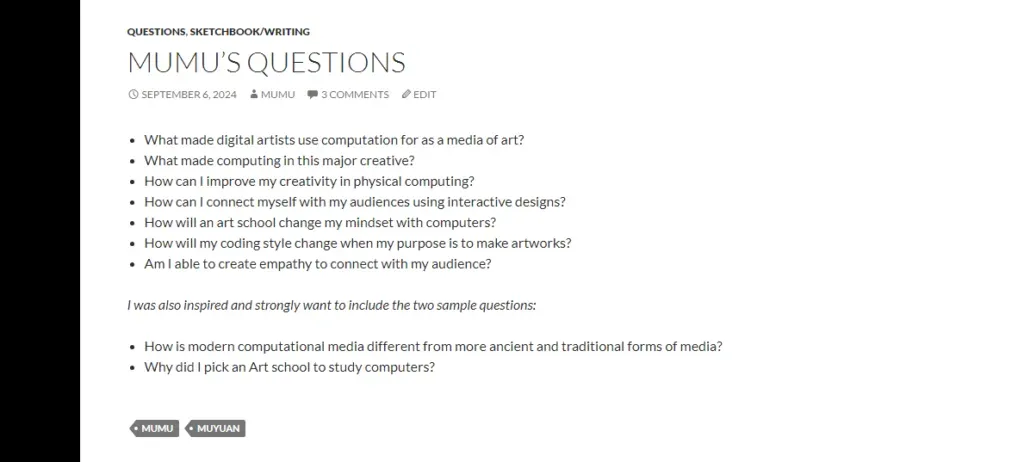
My questions were superficial and silly. Throwing out questions like these, without actually doing something, is like a null ptr in c++. The only valuable question on my week 1 post was the one given by DanO. “Why did I pick an Art school to study computers?” Over the course of six weeks, this question has become less foggy ansd less of a conundrum, and by today, the weekend of Week 6, the answer is pretty clear.
I come from an entirely academic background, to expand, I applied to computer science for all schools except NYU and half of CMU, and only decided to pursue interactive media arts in the summer of 2023. I prepared my whole portfolio in three months, and honestly, it was pretty trashy. I used to think of this as an interesting story to introduce myself, but I soon realized it really, actually put me at a huge disadvantage in studying interactive media arts. I had stopped creating for a long, long time.
When I applied to NYU, my resume was filled with academic records and awards for my coding skills. I wasn’t enjoying them. I wasn’t proud of my USACO Gold Qualifier, even though it should have been a big boost for my “chances to get into NYU.” I never mentioned it to anyone at Tisch. The same goes for my first prize in the Shanghai Computing Society Contest. I was constantly in a low mood, numbly following instructions from my teachers in high school, practicing coding, attending contests, mostly failing, and occasionally earning another line for my resume. My boyfriend told me I was depressed during highschool when he read my diary—well, we’ll never know. But even though my mind was in total chaos, something, a thought from nowhere, was dragging me toward applying to at least one art school. Maybe it has something to do with the question: Why did I even enjoy coding since I was small?
I’ve been tinkering with various small games using things like Scratch since elementary school, and by high school, they changed into Python, C++, and JS. Looking back now, most of them are pretty much trash, especially the ones I messed around with before the application season, before my high school. But during the process of tinkering with this ‘trash,’ I was happy. I realized I was creating something, and I was so close to being able to truly bring something from my mind to life.
I enjoyed coding because I enjoy creating.
I never truly wanted to “study computers”. I was simply fascinated by how they operate, how they create complex interactions with humans, starting from the two value logic of machine code. These machines build intricate systems capable of decision-making, problem-solving, and even learning like a human, all from simple binary instructions. And I also wanted to create by building something that only computers can make possible.
Robots. I still remember the afternoon when my mom dropped me off at a lego workshop near our home when I was in primary school. By the time she came back to pick me up, I didn’t want to leave, and I persuaded her to stay by my side while I finished the thing I was working on. I was taking my 100+th picture of my little lego robot to make a stop-motion animation. It’s one of those childhood memories I’ll never forget. Later on, just like any lego kids, I wanted to figure out how to make the robot move on its own. That’s when I discovered lego mindstorm and started my very first coding experience, using drag-and-drop code blocks to create programs that controlled the movement and behavior of lego robots. I also learned about bearings and servo motors. I was already getting hands-on experience with a graphical programming interface, which gave me a head start when my primary school elective class introduced us to Scratch.
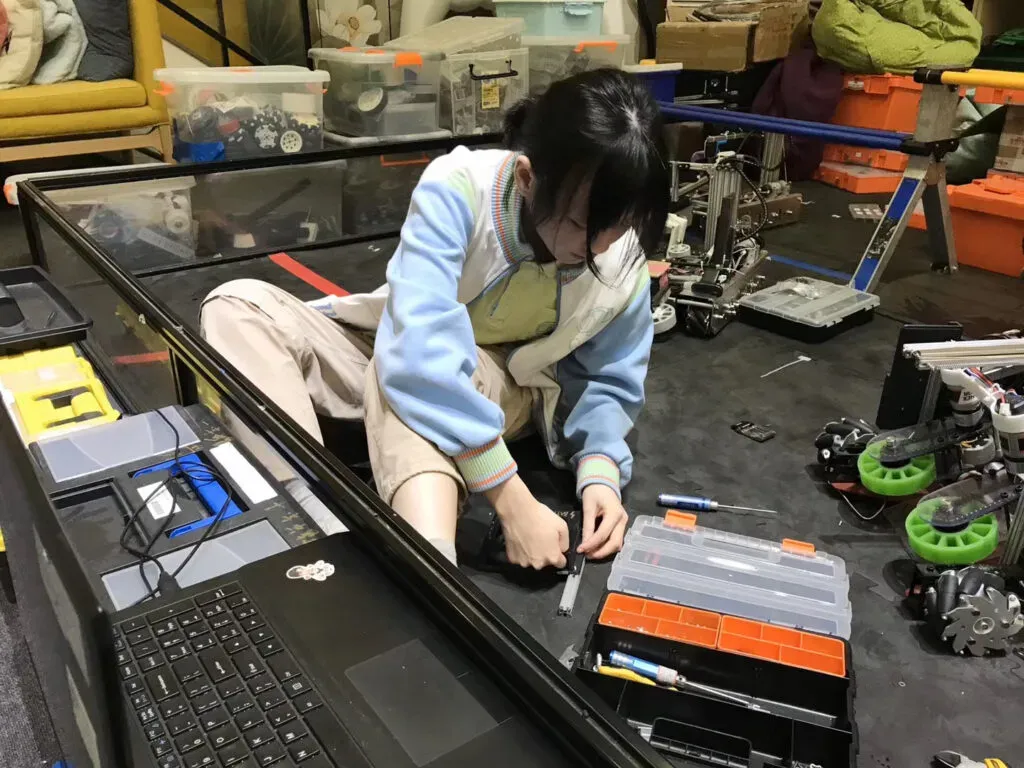
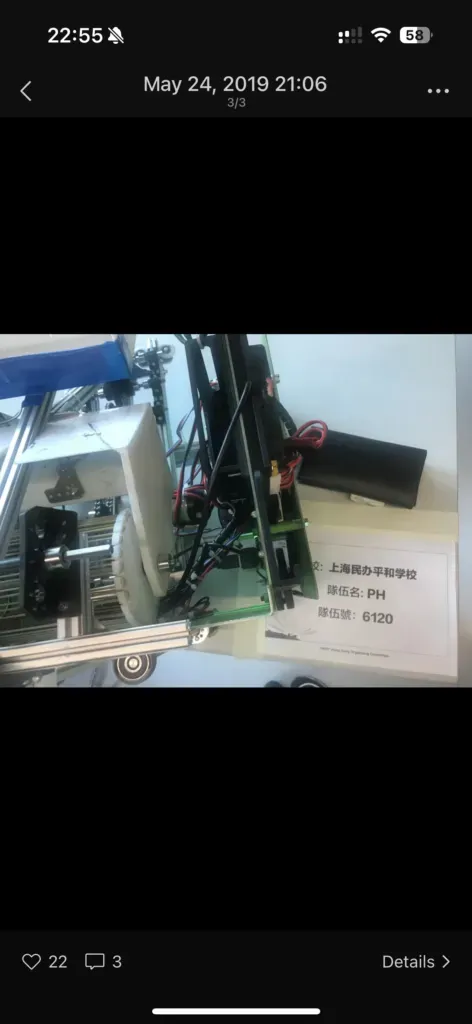
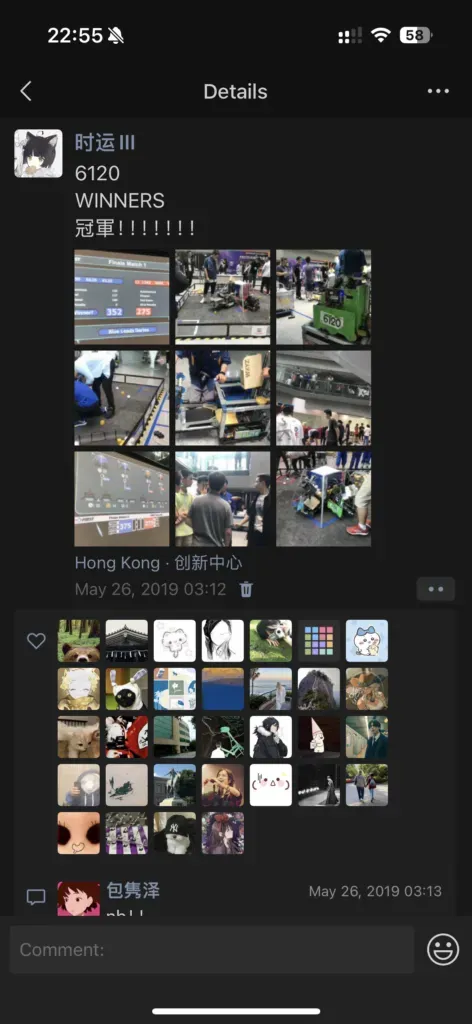
Then I became the leader of the robotics team of my middle school. I loved when my robots starts to go beyond moving, in fact, she went far beyond moving. She was able to accomplish complex tasks like throwing balls and identifying terrain on the race field and avoid obstacles automatically. Then we grinded for day and nights and won the first prize at a national contest in Hongkong. We celebrated and I cried. She was wearing a beautiful outfit that I had designed and sprayed for her, and seeing her on the champion’s podium made me cry even harder. Later, I became the core coder for my high school’s robotics team, but the excitement around robotics started to fade. We were focused on winning prizes, and we kept winning them, probably because we were a fairly prestigious high school in Shanghai with decent support. But under the pressure of winning, I became more of a debugger than a creator. I wrote better code, communicated more smoothly with engineers, and tried my best to meet their expectations, but from that point on, I never cried for any robots again. I quitted creating.
Codes. All of my coding programs in highschool are dead by now. I didn’t renew the server subscription anymore, nor did I continue with maintenance or troubleshooting. The last website I shut down was the campus BBS. A bug had appeared, and with the already low user base, the backend management became chaotic. So I just decided to shut it down. Deep down I know that these projects were more about appearances. Perhaps when I initially came up with these ideas, I genuinely wanted to do something for the people at my high school, but over time, they gradually slipped into the “flexing zone.” They are allowed to be present in my high school life only because they enhanced the chance of my getting into CMU, and for every part of them, some unique abilities and qualities must be exposed to the Admissions Officers. The plan was clear: one project for software, one for hardware, and one for integration.
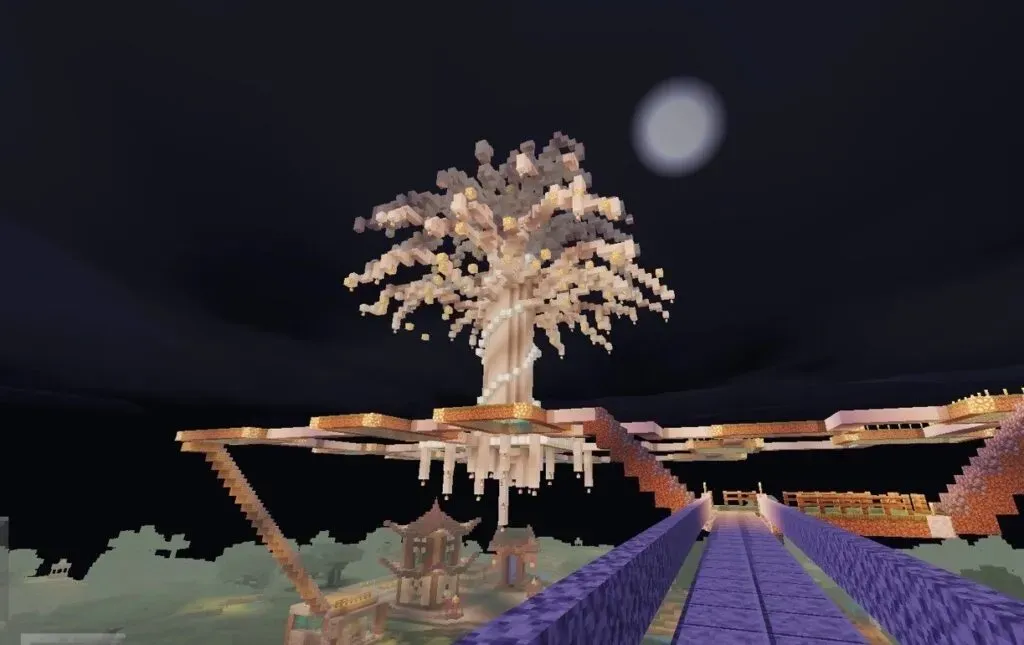
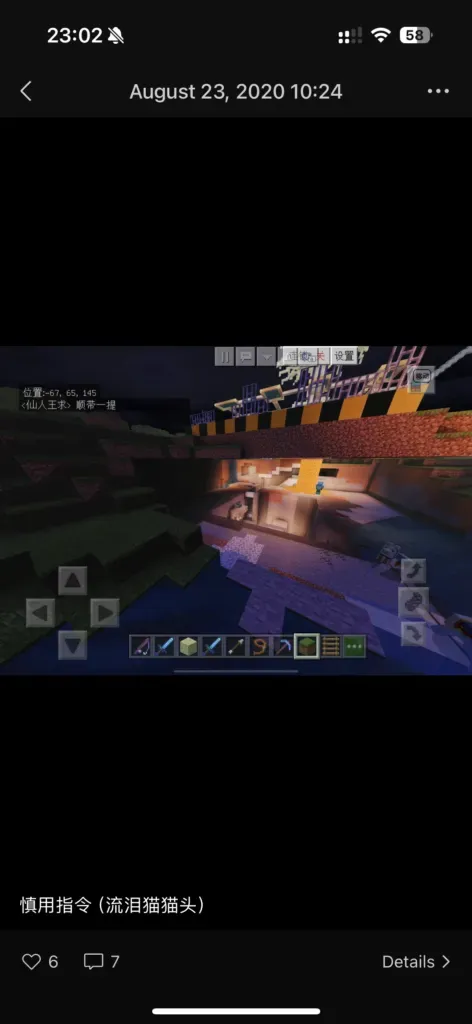
But I do remember that I was coding to create. I started learning my first programming language because I wanted to use the command block in Minecraft to build a puzzle map that would transport players and display scripts on the screen. One of my best friend was into redstone mechanics, data packets, and triggers at the time, so we kind of worked together. The addictive potential of coding lies in how each roadblock pushes you to learn something new, and soon I was hooked not just on Minecraft, but on the thrill of coding itself. I developed this strange drive not just to make things work, but to make them work well. The more I coded, the more I saw technical skills like debugging, optimization, and scalability as a form of creation. People say coding is an art, and in fact, everything becomes art when you’re focused on creating something.

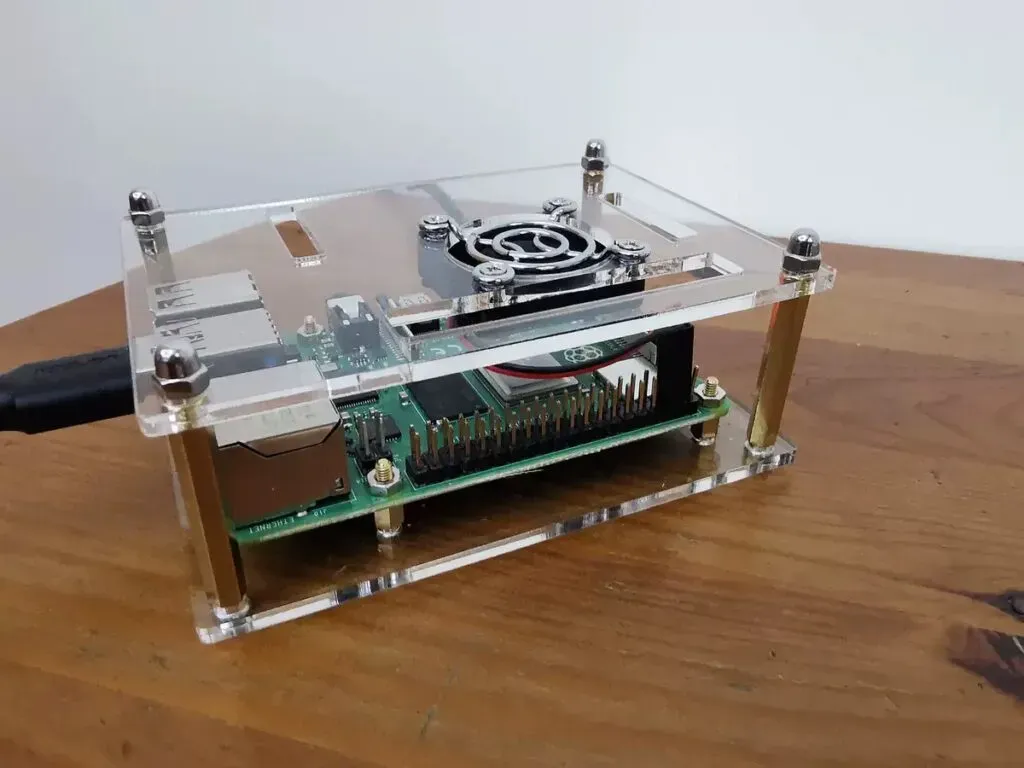
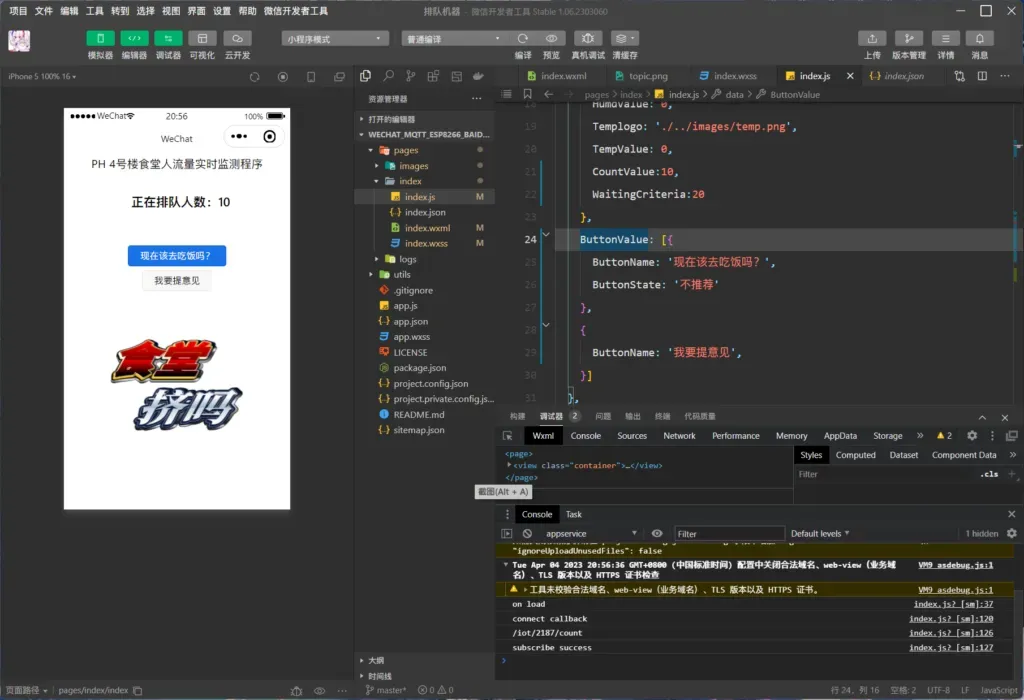
The queue project is probably the only one that had anything to do with “creativity,” but even then, it was just a data showcase platform, meant to “benefit the community,” and it only went live for two weeks. The teachers expressed concerns about underage privacy and camera safety because too many students were using the app, and they were worried that the camera footage from my Raspberry Pi might lead to issues that neither of us fully understood. I tried to reassure them by explaining how the data was processed locally, but after a day or two, I stopped defending myself—I genuinely didn’t care if the program continued running. I had already gathered all the materials I needed for my application. What I needed to focus on was Leetcode questions and daily USACO practices. By high school, no one, including myself, really cared whether my code was producing something useful, let alone creating something. I quitted creating.
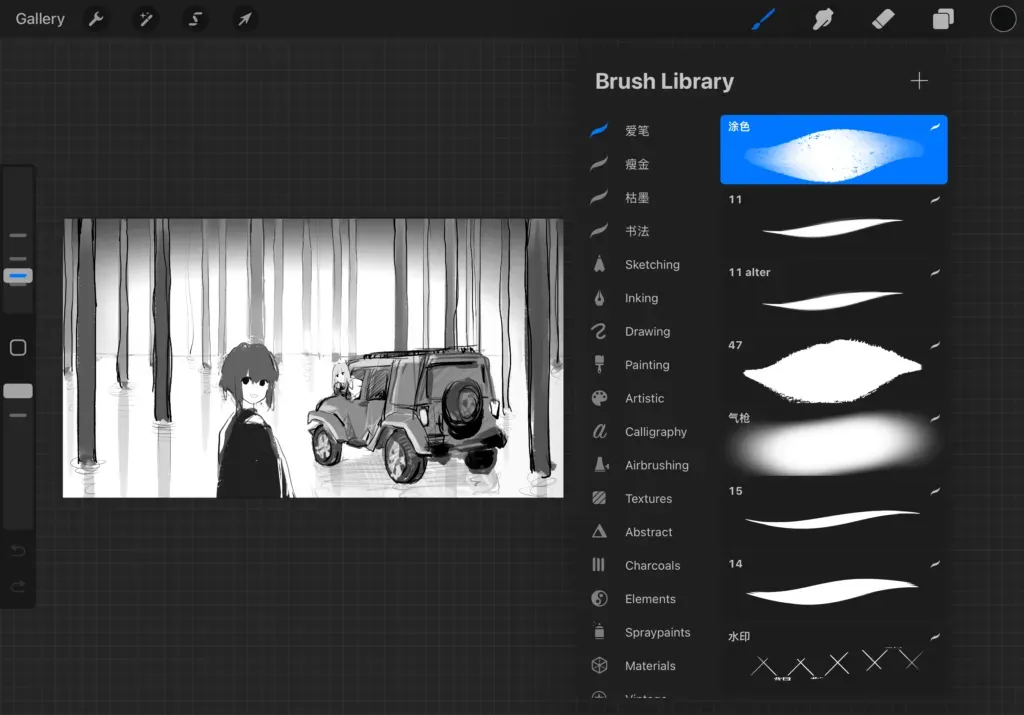
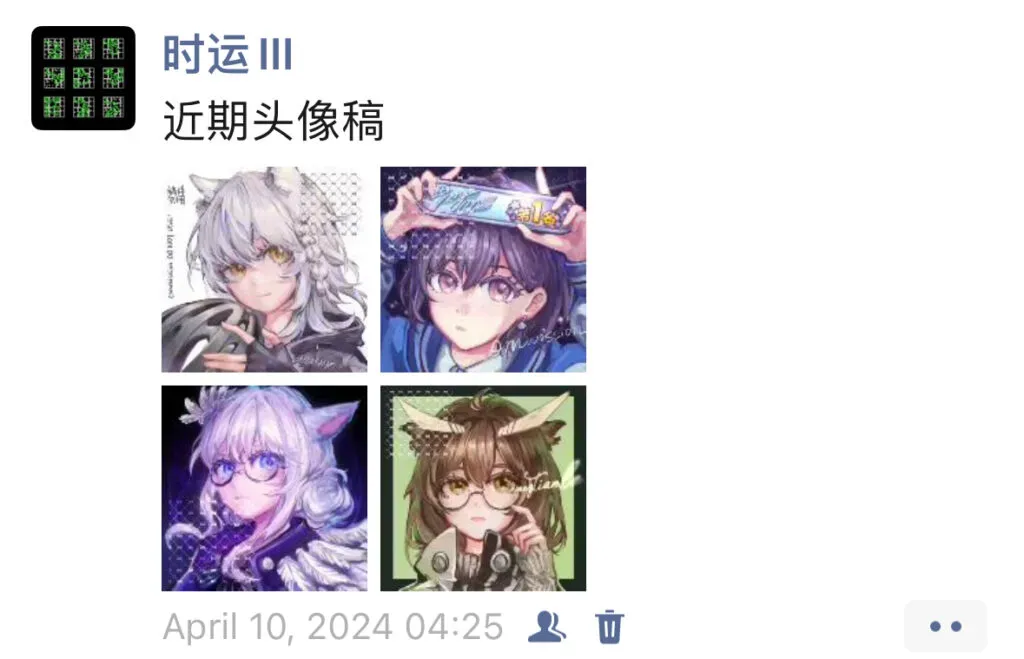
Digital Painting. The other day I was scrolling through my Procreate and found that I used to draw a lot more than I remembered. I don’t want to admit that I was creating something, because drawing is the most battered form of creation. I’m just simply drawing, but I did have a lot of ideas and sparks during that time. What a digital device provides to artists differs significantly from physical paint and tools. Digital platforms operate on a fundamentally different framework: pixels instead of pigment, and algorithms instead of manual techniques. Every stroke is translated into binary code, interpreted by a processor, and rendered through layers of display technology, allowing for infinite revision, replication, and manipulation, which is not possible with physical media, where each brushstroke leaves a permanent mark and materials have inherent limitations. If traditional painting offers opportunities and possibilities under these strokes, digital medium offers more. Softwares also offers precision, with tools functioning at a computational level that eliminates the risk of irreversible mistakes, which fundamentally changes the creative process. I used to customize my brushsets in those softwares. The algorithms behind brushes and effects simulate real-world textures and behaviors, but they’re ultimately governed by mathematics—enabling effects that defy physical constraints, and that’s amuzing for me. And then my amount of artworks reduced sharply. I was sharply pointed out by my close friend that I “stopped drawing unless getting a commission”, which is not wrong at all. The only things I drew this year were four anime profile pics. My friends gave me the character designs and asked me to draw in certain styles. I did. It’s just four profile pics. I could have did the same thing on a canvas, it wouldn’t make a difference. I quitted creating.
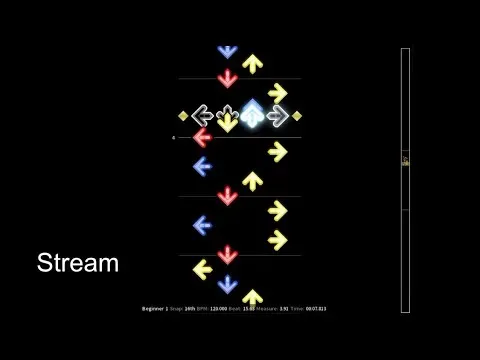
https://www.bilibili.com/video/BV1V3411b7YB/?share_source=copy_web&vd_source=92b1b3cede043ee6f18a980241287906 (My gameplay video)
Interactions. I’m a rhythm game player, if that could tell anything. And making charts (levels) for those games are basically creating instructions for palyers to interact with elements on the screen. I always feel that among all mediums, game is the most interactive art, while among all games, rhythm games are providing the purest interactions.
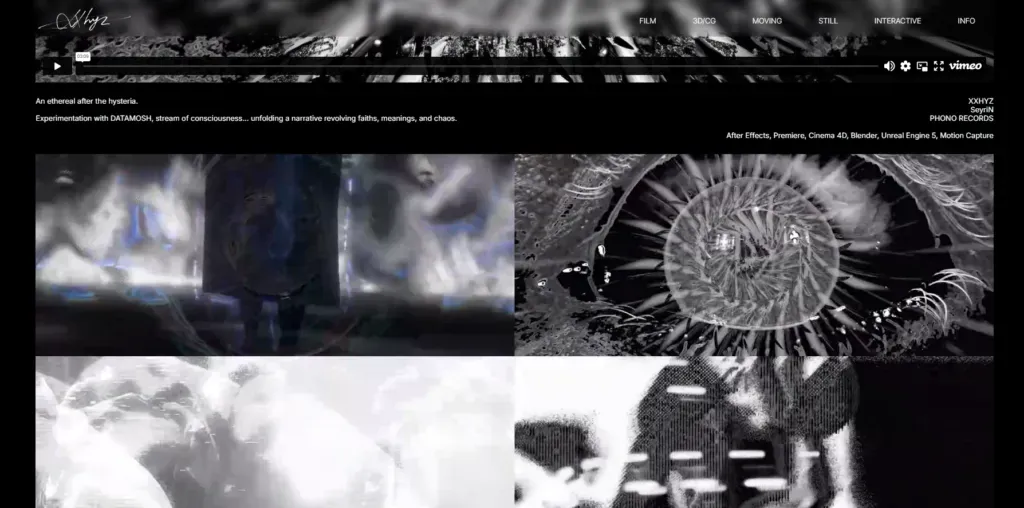
Mediums. I started learning C4D, UE5 and AE by the end of September. These are skills that I wanted to acquire since I graduated from my high school and started thinking about getting a decent gpa in IMA. Lengthy tale, it started with a misunderstanding, when I saw a talented artist on Bilibili. It stressed me out when I learned that he was in IMA too, in his second year, and seemed already well-versed in those professional tools. I initially thought I’d need to reach an employment-readiness level with these software just to keep up. For your information, check him out at https://xxhyz.net/ (and by the way he’s my boyfriend now). But anyway, when I realized our actual coursework started with something as basic as lighting up an LED with Arduino, it should have been a relief. Yet it wasn’t. The moment I found out that my willingness to learn those softwares hasn’t decrease even the slightest bit, is when I started to rethink about my pursuit, rethinking my approach to learning and creativity.
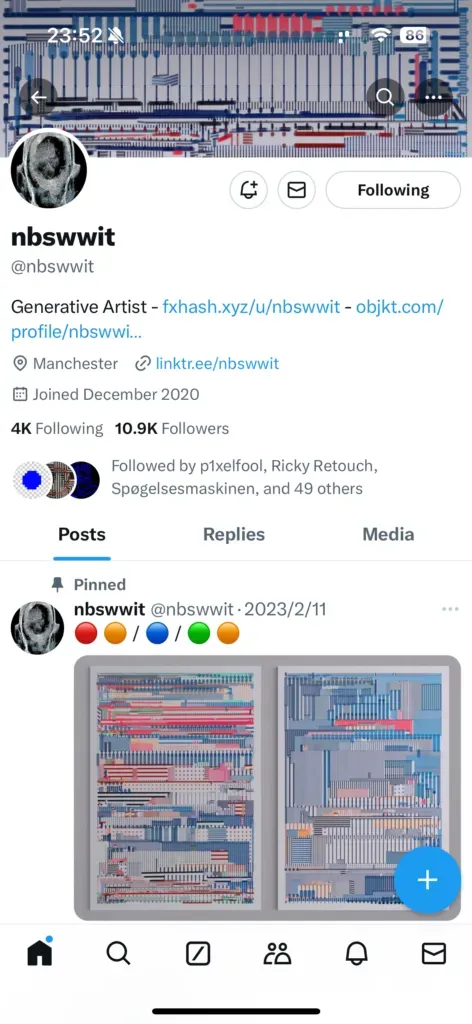
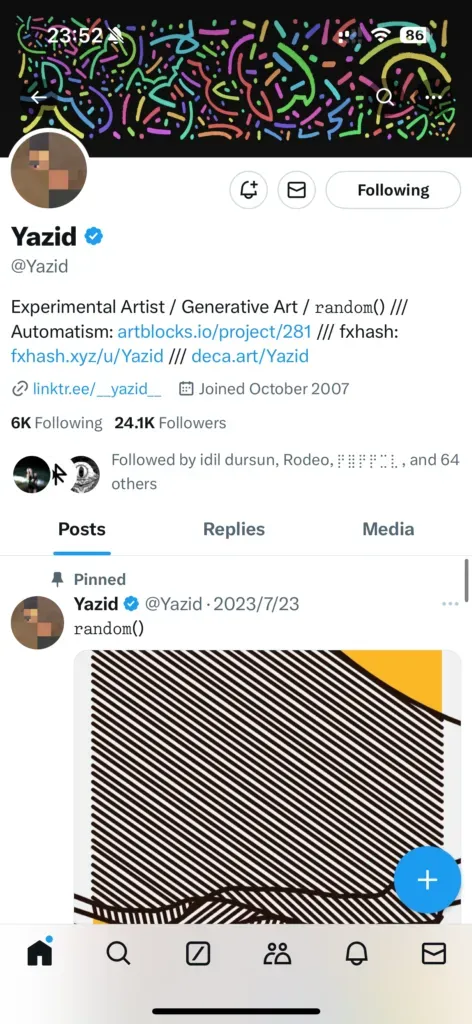
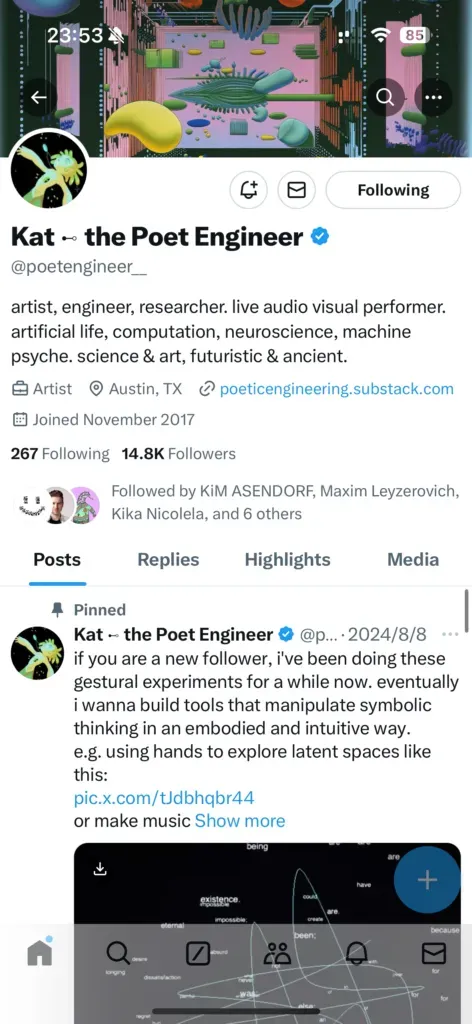
and so on
My twitter timeline is much more artistic than back in August. I now have several artists that I really enjoy and check for updates everyday. They use those software to create engaging visual effects and tell stories. Some artists go on chains. It’s a different type of art and interaction when you think about how these tools change the narrative structure. For example, they allow artists to build worlds and scenes in real-time and eliminates the traditional divide between pre-production, production, and post-production.
I thought about an experience not a long time ago when the minecraft redstone friend mentioned earlier went to UIUC to study computer science and music. He showed me an undergoing music he was grinding on, and I wouldn’t deny, it was better than 90% of my youtube feeding. I don’t know if there’s something to do with we having the same music taste or the fact that we often have a greater appreciation for our friends’ creations. That track was visualized in my head when I first listened to it and I wanted to make it go live so badly. In fact, I want to bring a lot of music to life, not just as tracks, but as a multi-sensory experience. The combination of sound, light, and motion in a space is something you can now simulate with tools like UE5 and AE, and that’s something that I feel thrilled even just thinking about it. I could say that I’m finally learning something for creating.